
Build to suit
How to build an affordable family compound in Arizona
Planning a family compound in Arizona? Compare manufactured homes, neighboring lots and ADUs—and check zoning, water, septic and the full project budget first.
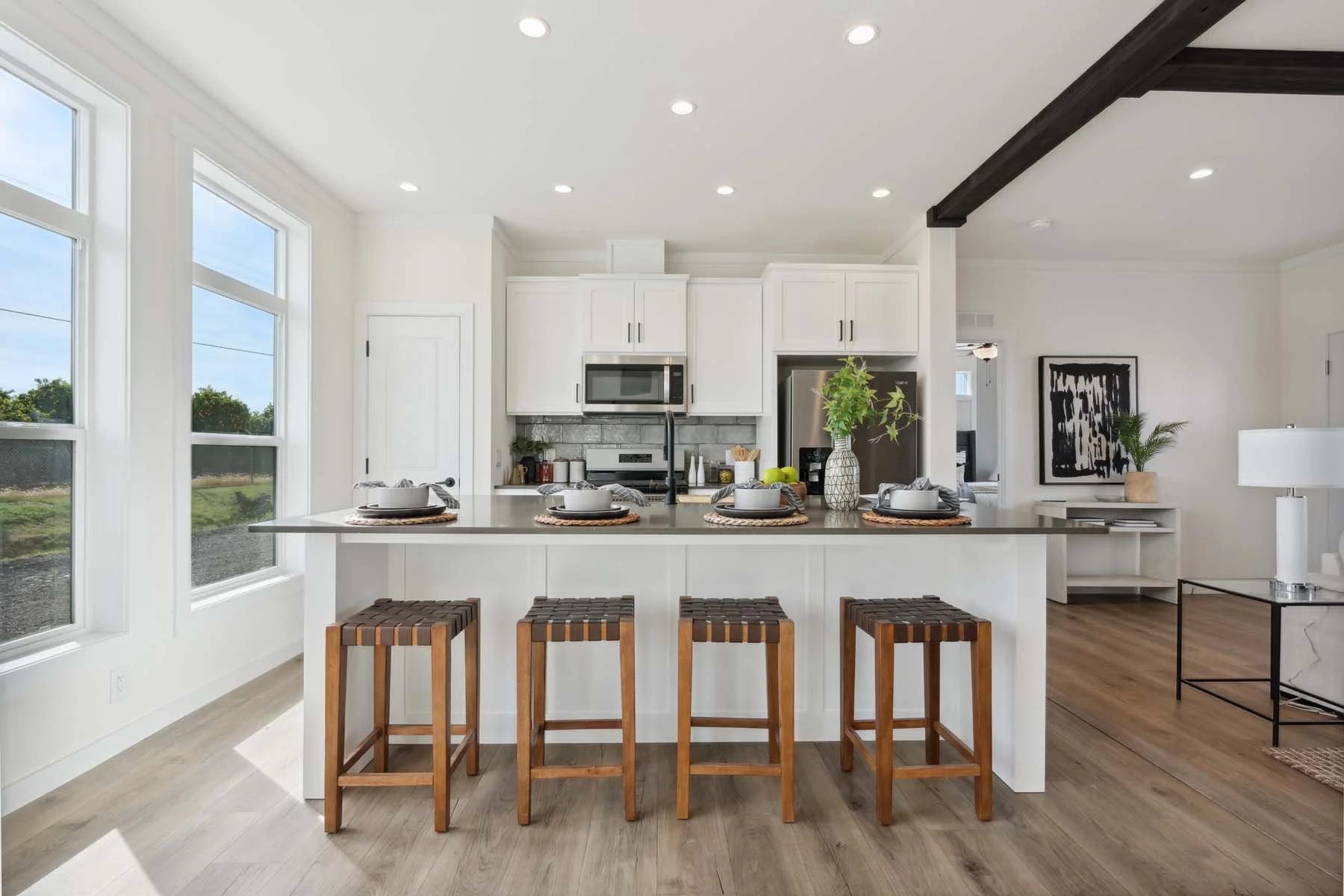
Can you build a family compound in Arizona?
It may be possible, but buying acreage does not automatically give you permission to place several homes on it. A family compound describes how a family wants to live—not a zoning category or a permit. The number and type of dwellings allowed depend on the exact parcel, its jurisdiction, zoning, recorded restrictions and required approvals. Start with those checks before buying land or ordering homes.
What does a family compound look like?
For some families, it means grandparents and adult children living in separate homes on neighboring parcels. For others, it means a main home with a permitted accessory dwelling unit (ADU), or one larger home with room for multiple generations. Decide how much privacy each household needs, whether separate kitchens are essential, and who will own, finance and maintain the property. Gardens, animals and workshops need their own land-use checks; room on a lot is not proof they are allowed.
Can manufactured homes make it more affordable?
A Champion manufactured home is an option worth comparing when you want a new home on land without committing to a site-built design. Our homes are built to federal HUD standards; manufactured and modular homes are not interchangeable. Choose floor plans that suit each household and compare complete project quotes. We do not promise a percentage saving or that two homes will cost less than one site-built home: land, utility work, foundations, delivery, installation and approvals can change the total considerably. A lower home-only price is not necessarily a lower finished-project price.
How much land do you need for a family compound?
There is no single acreage requirement that works across Arizona. Ask the responsible planning department about minimum lot size, permitted dwelling count and type, setbacks, lot coverage and delivery access for your proposal. Leave room for drainage, wastewater facilities and any required separation areas. A large parcel may still allow only a particular residential use; an existing home next door does not establish permission for yours. Ask about parcel-division requirements separately if you want to create individual lots.
Rio Verde, Scottsdale and Paulden: check the right authority
A Scottsdale mailing address does not establish that a parcel is inside Scottsdale city limits. Verify the jurisdiction by parcel number. Unincorporated Maricopa County has its own zoning and manufactured-home development-permit requirements, separate from Scottsdale's municipal rules. For land in the Paulden area, confirm whether Yavapai County is the permitting authority and ask Development Services about the parcel's zoning and proposed dwellings. Neither a community name nor a county-wide summary establishes permission for a specific family compound.
Option 1: A main home and an ADU
An ADU is an accessory dwelling, not automatically a second unrestricted principal home. Scottsdale describes ADUs as smaller separate dwellings with their own kitchen and sanitary facilities on qualifying lots with an existing main home. County requirements may differ. Do not assume that an ADU rule allows a HUD-code manufactured home as the accessory unit. Before selecting a smaller Champion plan, ask the local authority whether that exact home type, size and placement are permitted, and what land-use and installation approvals are needed. A guest house or workshop approval is not a substitute for permission for a separate dwelling.
Option 2: Homes on neighboring parcels
Separate neighboring parcels may suit families who want independent ownership and homes close together. Each parcel still needs its own review for the proposed home, access, utilities, title and financing. Shared drives or facilities require appropriate permissions and documented arrangements; owning adjacent lots does not erase the boundary between them. Our Rio Verde homes are on 1.1-acre lots with a shared well, and a 15-lot community is coming to Paulden, about 20 minutes past Prescott. Ask about current availability—adjacent lots, additional dwellings and a compound layout have not been confirmed for these properties.
Water and shared wells: verify more than a nearby well
Identify the proposed water source for every household before buying. If a shared well is involved, review the agreement, connection rights, operating status, water quality, capacity and maintenance obligations with the appropriate professionals. Arizona's Department of Water Resources says it does not regulate shared-well agreements; those are civil matters between the parties. A well registry record or an existing connection does not establish that another dwelling can be served. Our Rio Verde homes have a shared well, but we have not confirmed capacity or permission for additional homes; do not assume expansion is available.
Septic, power and access need a whole-site plan
An existing septic system is not automatic approval for extra bedrooms or another household. Yavapai County requires permits and inspections for septic construction and may require site investigation to establish suitability. Ask the applicable wastewater authority whether the proposed dwellings require a new or modified system, and confirm space for the approved design before fixing home locations. Also obtain information about electrical service and connection costs, legal road access, home-delivery access and drainage. Separate approvals may apply even if a driveway or utility already exists.
Build a budget for the whole family project
Request a written estimate separating land acquisition; each home and its options; grading, pads and foundations; delivery and installation; water, power and wastewater work; access improvements; surveys, permits and inspections; and legal or ownership setup. Ask which costs are shared, which apply to each dwelling, and which are excluded or still unknown. Agree on a contingency with your project team rather than treating an advertised home price as the final budget. Right-sized plans and suitable serviced land are worth comparing, but verify service capacity before counting on savings.
Financing: do not assume one loan covers a compound
Discuss the exact ownership and dwelling arrangement with your lender before making an offer. Separate parcels, multiple dwellings and an ADU can affect loan eligibility and how a property is appraised. USDA may offer $0 down for an eligible buyer and property, but a rural-map location is only one requirement. Do not assume a USDA construction loan will finance a multi-home compound, and remember that $0 down does not automatically eliminate closing costs. Gabriel and Blanca Chapa can review which available programs fit the proposed project.
Start with your family and your parcel
Tell us how many households you want to accommodate, whether you already own land, your preferred Arizona area and your target budget. Bring the parcel number or address and any zoning, water or septic records you have. We can build in your preferred Arizona area—from Eloy in the south to Prescott and Flagstaff in the north—not just our featured communities. Choose from our existing lots or land you find yourself. Start with pre-approval; then we narrow down areas based on your budget, available land, and zoning. Each lot must be suitable for your home. Get pre-approved with our preferred mortgage brokers before the Step 3 meeting with the builder at our Scottsdale office. We can discuss Champion plans and the site-specific scope without promising an unapproved multiple-home arrangement.
Sources
- Maricopa County: manufactured-home development permits
- City of Scottsdale: accessory dwelling units
- Yavapai County: Development Services
- Arizona Department of Water Resources: shared wells and real-estate information
- Yavapai County: septic system construction
- Arizona Department of Housing: installation permits
- HUD: manufactured-home standards and resources